About Us
Welcome to Aasha Consulting
AASHA, meaning “Hope” in Bengali, is an organisation dedicated to combating domestic abuse, with a specific focus on Bangladeshi and minority communities.
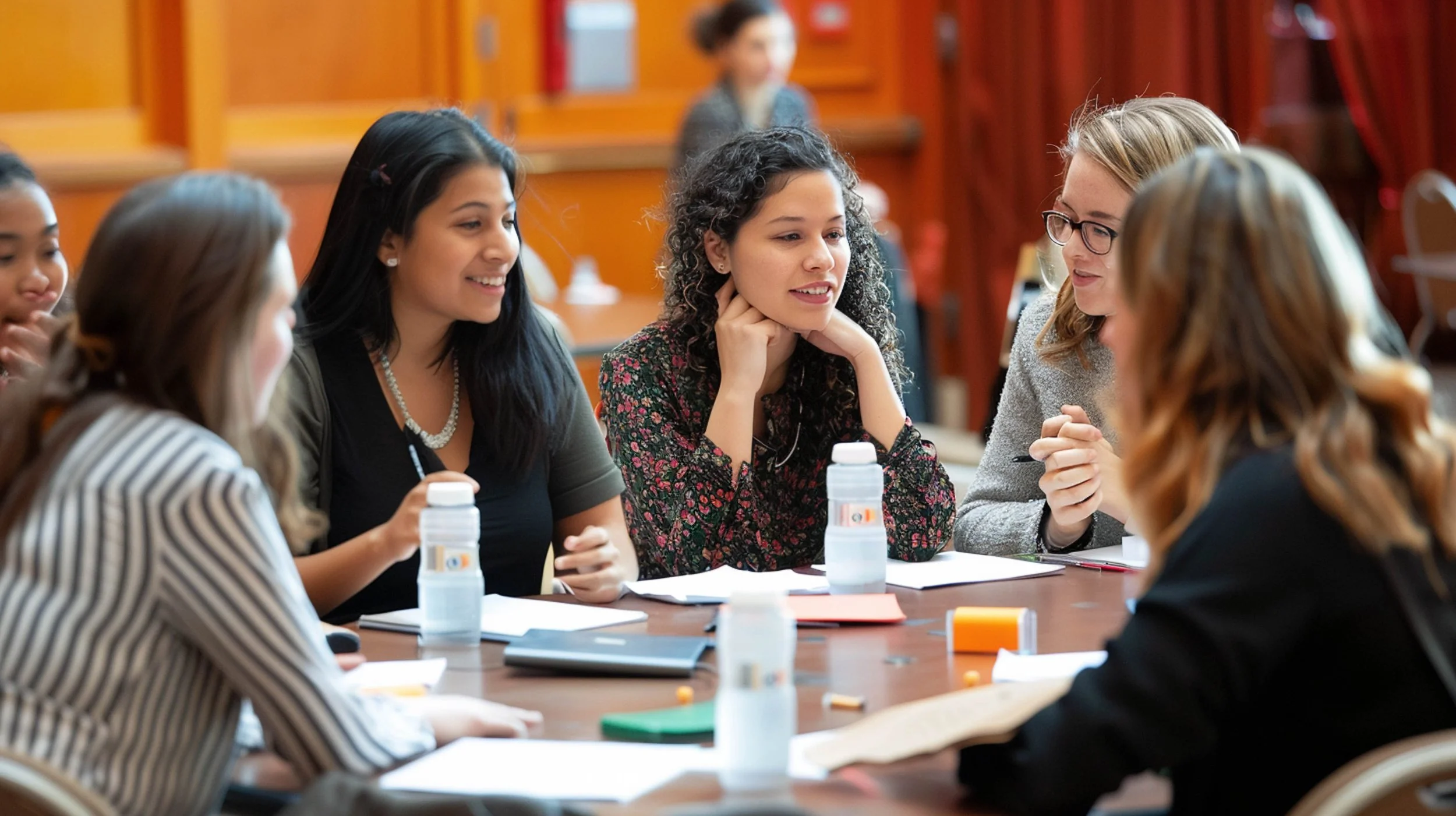
Our approach is to support professionals in understanding the needs and issues of Bangladeshi and South Asian women and to provide a holistic approach to working with them through specific training programs for professionals working in the field of Domestic Abuse.
AASHA is committed to working with professionals in a variety of strength-based, culturally competent, and trauma-informed training programs. Ensure domestic abuse support services offer culturally competent, intersectional and faith-sensitive training to professionals working with women, which includes understanding the culture, norms, religion, traditions and the unique challenges women from minority communities face.
AASHA was established by Dr Aysha Ahmed in 2024, building on her doctoral research into domestic abuse in the Bangladeshi community, with a mission to continue raising awareness of domestic violence and abuse, provide quality training to professionals to empower survivors, and improve the quality of care and services that survivors receive.
Dr Ahmed provides mentorship to professionals who have experienced domestic violence and need support in addressing abuse.
AASHA delivers culturally sensitive training programs in domestic violence and abuse, Safeguarding, Cultural Competency, Children Safeguarding, Coercive Control, and Barriers to Disclosure in working with minority communities, that address the unique challenges faced by minority women and their intersection as women of colour.
The company's comprehensive training modules emphasise cultural competency, trauma-informed care, and intersectional approaches, equipping professionals with the tools and insights necessary to support survivors effectively and compassionately.
AASHA provides bespoke training programmes and provides comprehensive consultations to organisations on their work with different communities and guidance on developing tools to improve services for minority communities.
What We Provide
Our Services
-
Aasha can offer full-day and half-day sessions to organisations that are working with victims/survivors of domestic violence and abuse.
What forms domestic abuse takes, and the different forms it can take. Culturally competent, faith-sensitive training that covers trauma-informed practice.
Barriers to disclosing abuse.
Understanding the intersectionality and the extended family's role.
An understanding of best practice in working with Bangladeshi and other minority communities.
-
At Aasha, we understand that every organisation's needs are different, and our standard courses might not be the right fit for them. We collaborate with organisations to create a response to domestic abuse that works for your unique organisational needs, culture and structure. We can provide tailored training for your organisation.
-
Aasha Consulting works from a research-based, evidence-informed approach grounded in research within domestic violence, the Bangladeshi community and provides a robust domestic violence/abuse training programme. The programmes are delivering work for national and international research organisations, and with practitioners to develop culturally appropriate materials for education and training. Provide consultancy on domestic violence through collaboration within statutory and voluntary organisations and minority communities to strengthen our message and openly speak about domestic abuse.
-
Aasha provides workshops to mentor practitioners, leaders, and domestic abuse ambassadors, helping them develop confidence in working in a culturally sensitive manner. We provide diversity in leadership programme, Training & education. Develop culturally appropriate skills. Connecting practitioners with domestic abuse organisations, leading the culturally appropriate practices.
-
We raise awareness of domestic abuse in the community and in statutory organisations. We provide workshops, Chai and Chat mornings, and signposting for services for survivors.
Meet Our Founder / Director
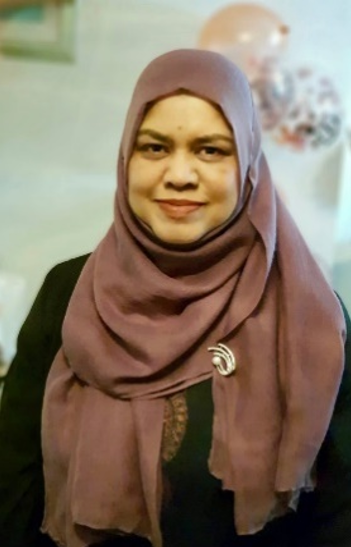
Dr Aysha Ahmed
Dr Ahmed holds a PhD focused on Domestic Violence and Bangladeshi women, and her research has profoundly influenced AASHA's approach to training. Her deep understanding of the cultural, social, religious and legal barriers faced by survivors has guided AASHA's development of tailored training programs that resonate with both survivors and the professionals who support them.
Dr Ahmed's vision for AASHA is rooted in the belief that with the proper support and training, professionals can be powerful allies in the fight against domestic violence and abuse, bringing “hope” and healing to those who need it most.
Dr Ahmed has collaborated with many academic services, health and social care organisations, including SOAS University of London and affiliated projects such as Project dldl/ድልድል, as well as statutory organisations on research and improving frontline practice. Her contributions to the field are recognised through her involvement in training professionals and collaborative research initiatives addressing domestic violence and abuse, religion, migration, cultural appropriateness and sexual abuse in domestic violence when working with Bangladeshi women and children.
Dr Ahmed is an active advocate for women's rights and empowerment. She continues to be involved in various national and international initiatives, such as UN Women UK, the G100 mission millions, and Higher Education initiatives, as a mentor, advocate, and participant, as well as presenting her research at national and international conferences on domestic violence.
She is an independent researcher and has co-authored and published articles on domestic violence attitudes and responses in the UK for minority and migrant communities. Dr Ahmed continues to explore research on domestic violence and the interconnectedness of extended family, cultural and religious impact of violence on women in communities. She is a visiting fellow for a number of universities and teaches in Social Work undergraduate and Masters programs.